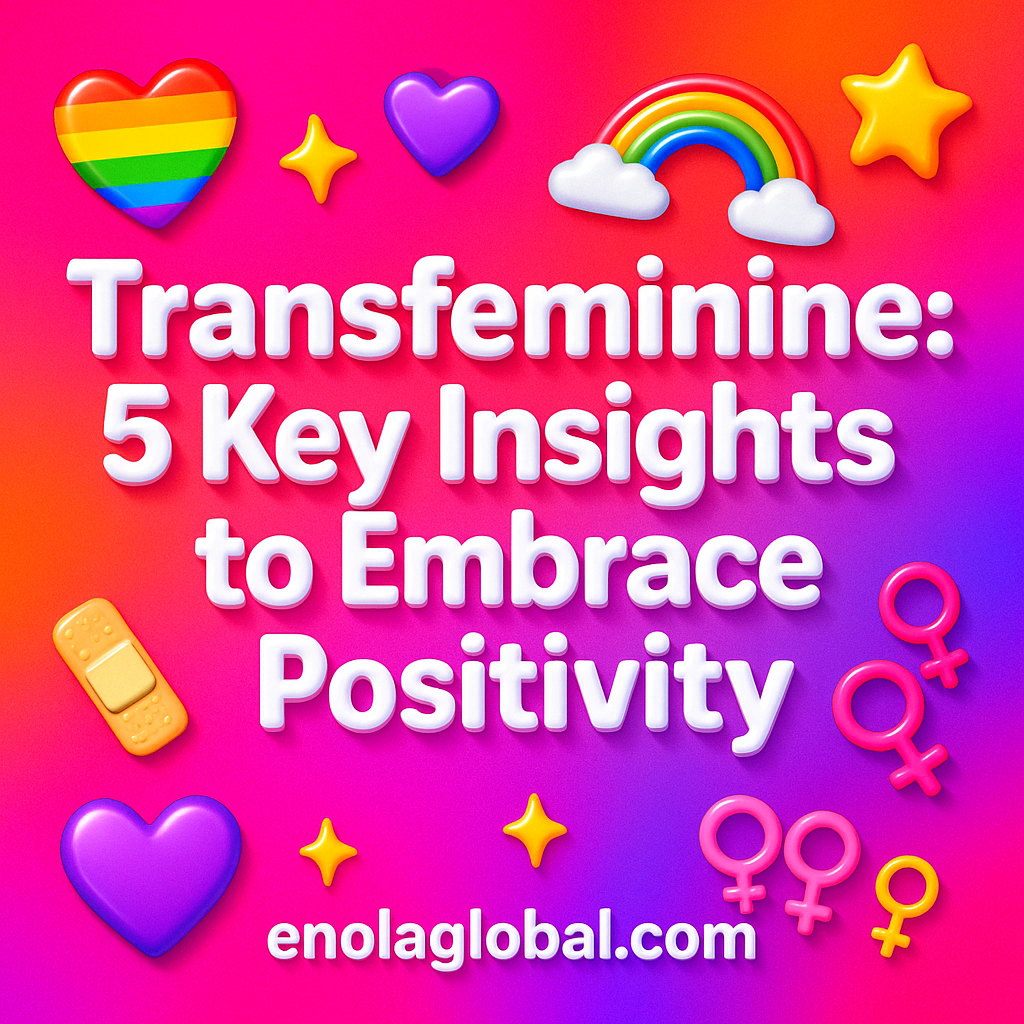
The transfeminine meaning goes beyond simple labels, revealing a vibrant spectrum of femininity that includes but is not limited to trans women. Understanding the difference between a trans woman and a transfemme person unlocks the nuances often overlooked in binary conversations. This post delivers five key insights to embrace positivity, highlighting fluid identities and diverse expressions of gender. As of 2024, the visibility of transfeminine identities has grown significantly, with organizations like Enola Global supporting inclusive community spaces. Expect clarity on language, identity, and the cultural richness that defines transfeminine experiences today.
What Is the Transfeminine Meaning and Its Core Concepts?
The transfeminine meaning centers on identities and expressions that align more with femininity and womanhood than the gender assigned at birth, without necessarily identifying strictly as a trans woman. It highlights the fluidity and diversity of feminine experience across a spectrum rather than fitting into rigid categories. At its core, transfeminine is about embracing femininity in ways that feel authentic, whether through presentation, pronouns, or internal identity.
Key concepts include gender fluidity, self-identification beyond binary norms, and a personal journey toward authentic expression. This meaning challenges traditional gender roles by valuing individual nuance over societal expectations. Understanding transfeminine identity requires openness to varied narratives and respect for each person’s unique path.
How Do Trans Women and Transfemme People Differ?
Trans women are individuals assigned male at birth who identify and live as women. They often undergo social, medical, or legal transitions to align their lives with their gender identity. In contrast, transfemme people encompass a broader range of feminine-aligned identities that may not fully identify as women. This can include non-binary, genderqueer, or genderfluid individuals.
While both trans women and transfemme people share a connection to femininity, the difference lies in identity specificity and expression. A transfemme person might use feminine pronouns, clothing, or makeup without exclusively identifying as a woman. Recognizing this distinction enriches understanding beyond binary gender frameworks and supports more inclusive language.
Why Embracing Fluid Gender Identities Matters in 2024
In 2024, embracing fluid gender identities has become essential for fostering inclusive and equitable communities. The rigid gender binary no longer reflects the complexity of human experience, especially as awareness of diverse identities grows. Accepting fluid identities empowers individuals to live honestly and openly, reducing stigma and mental health challenges associated with suppression.
Moreover, social systems, workplaces, and institutions are increasingly recognizing the need for flexibility in gender policies and representation. This shift helps dismantle longstanding barriers, creating spaces where transfeminine and fluid identities thrive. Celebrating such diversity enhances cultural richness and promotes human rights.
What Are the 5 Key Insights to Embrace Transfeminine Positivity?
Embracing transfeminine positivity involves understanding key insights that foster respect and joy in diverse gender expressions:
- Recognition of Diversity: Transfeminine identities are not monolithic; they vary widely and deserve individualized affirmation.
- Validation of Experience: Listening to and honoring lived experiences builds trust and community.
- Celebration of Fluidity: Flexible gender expressions challenge norms and encourage authenticity.
- Supportive Allyship: Allies play a crucial role by educating themselves and advocating for inclusion.
- Visibility and Representation: Media and public platforms shape positive perceptions and reduce prejudice.
These insights collectively drive a culture where transfeminine meaning is not only understood but celebrated.
How Are Organizations Like Enola Global Supporting Inclusion?
Organizations like Enola Global lead the charge in creating inclusive environments that uplift transfeminine voices. Through community programs, educational resources, and advocacy efforts, they provide safe spaces for exploration and growth. Enola Global’s initiatives prioritize intersectionality, recognizing how race, class, and other identities intersect with gender.
By collaborating with diverse stakeholders and leveraging virtual platforms, Enola Global expands access to support beyond geographic limitations. Their work influences policy reform, mental health services, and public awareness campaigns. Learn more about their impact at Enola Global.
What Language and Terms Respectfully Reflect Transfeminine Identity?
Respectful language is crucial in reflecting the transfeminine meaning and helping people feel seen and validated. Preferred names and pronouns should always be used as a baseline of respect. Terms like “transfeminine,” “trans femme,” and “gender nonconforming” describe aspects of gender that go beyond the binary womanhood often assumed in transgender discussions.
It’s important to avoid assumptions and ask questions when appropriate. Inclusive language includes:
- Using correct pronouns (she/her, they/them, etc.)
- Recognizing non-binary and fluid identities within transfeminine experiences
- Avoiding outdated or pathologizing terms
Language continues to evolve, so staying informed through resources like the GLAAD Media Reference Guide supports respectful communication.
How Can Allies Foster Understanding Around Transfeminine Experiences?
Allies can foster understanding by prioritizing listening, educating themselves, and actively challenging prejudice. This means recognizing transfeminine experiences as valid and distinct rather than expecting conformity to traditional gender norms. Allies should amplify transfeminine voices without overshadowing them, creating room for authentic stories to be heard.
Practical allyship includes advocating for inclusive policies at work and in communities, supporting transfeminine-led initiatives, and intervening against discrimination. Ongoing learning about issues such as healthcare access, social stigma, and intersectionality strengthens allyship. For guidance, organizations like WPATH offer evidence-based resources on transgender health and rights.
Key Takeaway
Understanding transfeminine meaning opens the door to richer conversations about femininity, identity, and inclusion that go beyond conventional labels. Embracing this spectrum validates diverse experiences while challenging outdated binaries. Moving forward means fostering supportive communities and advocating for meaningful representation. For continued updates on LGBTQ+ culture, accountability journalism, and queer history, follow our coverage at Enola Global News. Don’t forget to join the discussion, where you can comment, like, and engage with others.