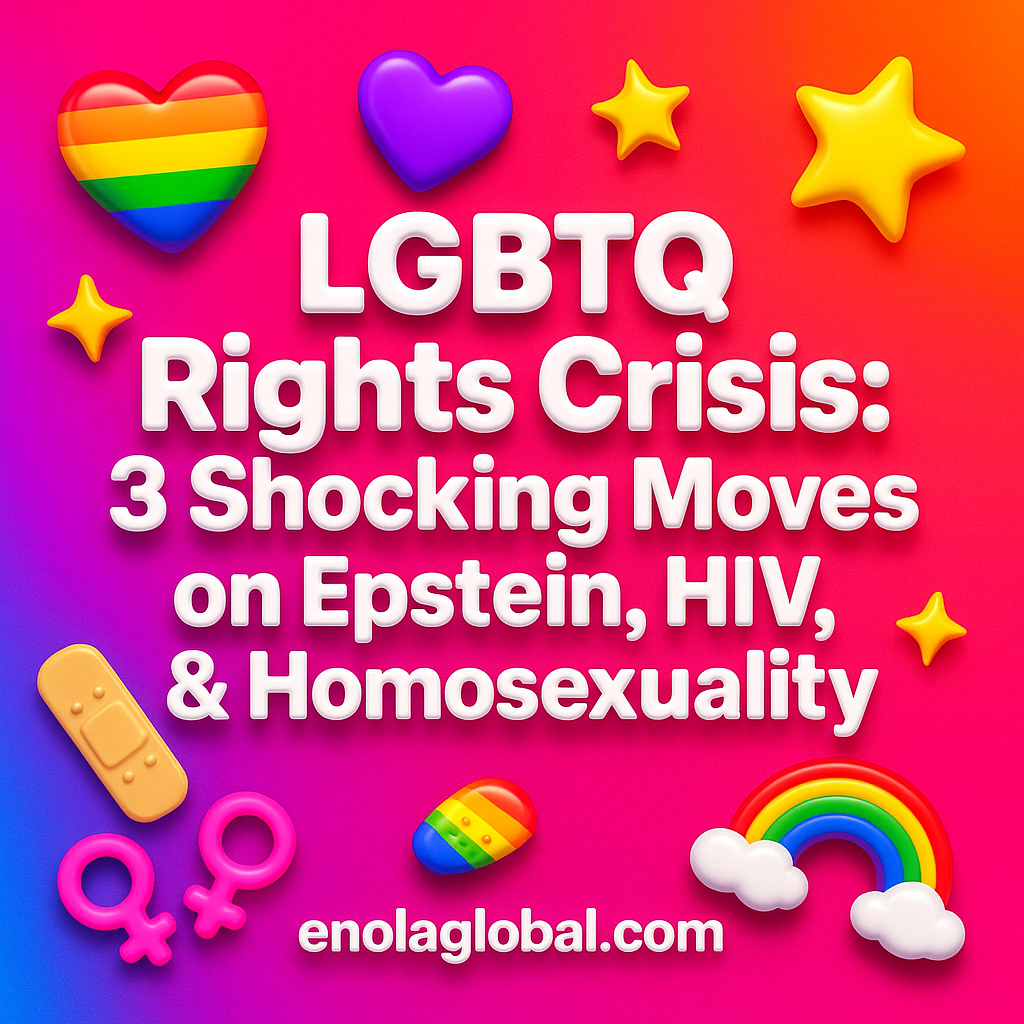
The latest shifts in LGBTQ rights reveal three shocking moves reshaping the conversation on Epstein, HIV, and homosexuality. This week’s updates uncover critical insights and legal repercussions you need to know. Expect a deep dive into ongoing legal battles, public health implications, and cultural shifts impacting the community. One significant development includes new HIV policy reforms announced just days ago, signaling a potential change in how LGBTQ advocacy intersects with public health. Stay informed on these urgent stories that highlight the complexity and urgency surrounding LGBTQ rights today.
What Are the 3 Shocking Moves Affecting LGBTQ Rights Today?
The current landscape of LGBTQ rights is rocked by three pivotal moves that demand attention. First, a controversial legal decision sidelined critical protections by narrowly interpreting anti-discrimination laws. Second, newly unveiled HIV policies challenge long-standing stigmas but raise questions about accessibility and equity. Third, a high-profile public figure’s statements on homosexuality reignited debates over cultural acceptance and rights enforcement.
These moves collectively shape the discourse by prompting activists, lawmakers, and communities to reevaluate strategies and legal frameworks. The intersection of health, law, and social narratives has never been more pronounced.
How New HIV Policy Reforms Could Shift LGBTQ Rights Advocacy
The recently announced HIV policy reforms mark a potential turning point for LGBTQ rights advocacy. By prioritizing funding for prevention, expanding access to PrEP (pre-exposure prophylaxis), and destigmatizing HIV testing, these reforms aim to improve health outcomes drastically. This approach moves beyond punitive measures toward compassionate, evidence-based public health strategies.
Advocates argue that integrating these reforms into broader LGBTQ rights efforts could dismantle systemic barriers and improve quality of life. However, critics warn of underfunding risks and insufficient community engagement in policy design.
Learn more about these reforms from the CDC’s official announcement here.
What Legal Battles Are Shaping the Future of LGBTQ Rights?
Several high-stakes legal battles currently define the future of LGBTQ rights at local and national levels. Cases involving workplace discrimination, transgender healthcare access, and adoption rights underscore the ongoing judicial influence on civil liberties. Key lawsuits challenge restrictive laws while pushing for broader recognition and protections.
These cases reflect the judiciary’s power to either advance equality or reinforce obstacles. Activists emphasize the importance of legal literacy among the community to navigate and influence these processes effectively.
Why Epstein’s Case Still Influences LGBTQ Rights Discussions
Jeffrey Epstein’s case continues to cast a complex shadow over LGBTQ rights discussions, largely due to the intersection of power, exploitation, and societal marginalization. Allegations and networks revealed in the investigation exposed vulnerabilities exploited within minority groups, including LGBTQ individuals.
This connection has sparked renewed calls for safeguarding mechanisms specifically tailored to LGBTQ victims, emphasizing trauma-informed approaches in both legal and social service frameworks. Moreover, Epstein’s case has fueled discourse on systemic abuse and the need for intersectional protections.
How Are Public Health Changes Impacting the LGBTQ Community?
Public health shifts significantly impact the LGBTQ rights community, particularly with emerging approaches to mental health, HIV prevention, and gender-affirming care. New funding streams aim to reduce disparities and improve culturally competent services, yet implementation gaps remain problematic.
Community advocates press for expanded access and destigmatized care models, noting that health equity is inseparable from broader rights protections. The integration of social determinants of health into public strategies highlights the need for holistic solutions.
- Increased funding for LGBTQ-specific health programs
- Enhanced training for healthcare providers
- Focus on mental health and substance use disorders
- Policies supporting access to gender-affirming treatments
What Can Allies and Advocates Do to Support LGBTQ Rights Now?
Allies and advocates must engage decisively to drive progress in LGBTQ rights. This means amplifying marginalized voices, demanding policy accountability, and actively opposing discriminatory practices in all spheres. Effective advocacy also includes education, direct support, and fostering inclusive environments.
Concrete actions include lobbying for legislative changes, participating in community outreach, and supporting LGBTQ organizations financially and vocally. Allies should also commit to ongoing learning to address evolving challenges sensitively and accurately.
Are Current Laws Adequate for Protecting LGBTQ Rights Realities?
Despite progress, current laws fall short in fully protecting LGBTQ rights realities. Gaps persist in areas such as healthcare access, protection against hate crimes, and employment discrimination. Many statutes remain fragmented, leaving vulnerable populations exposed.
Experts call for comprehensive federal protections that ensure uniform safeguards nationwide. Additionally, adaptive legal frameworks must reflect the diverse experiences within LGBTQ communities, emphasizing intersectionality and equity.
Without strengthening these statutes, the community risks regression amid shifting political climates. Ongoing vigilance and reform remain critical.
Where We Go Next
As these critical developments unfold, it’s clear that advancing LGBTQ rights requires persistent vigilance and inclusive strategies that address legal, health, and cultural challenges in tandem. The ongoing reforms around HIV policy, judicial battles, and societal attitudes demand coordinated advocacy to ensure lasting protection and equity. For continued updates on LGBTQ+ culture, accountability journalism, and queer history, follow our coverage at Enola Global News, and join the discussion to comment or like after engaging.