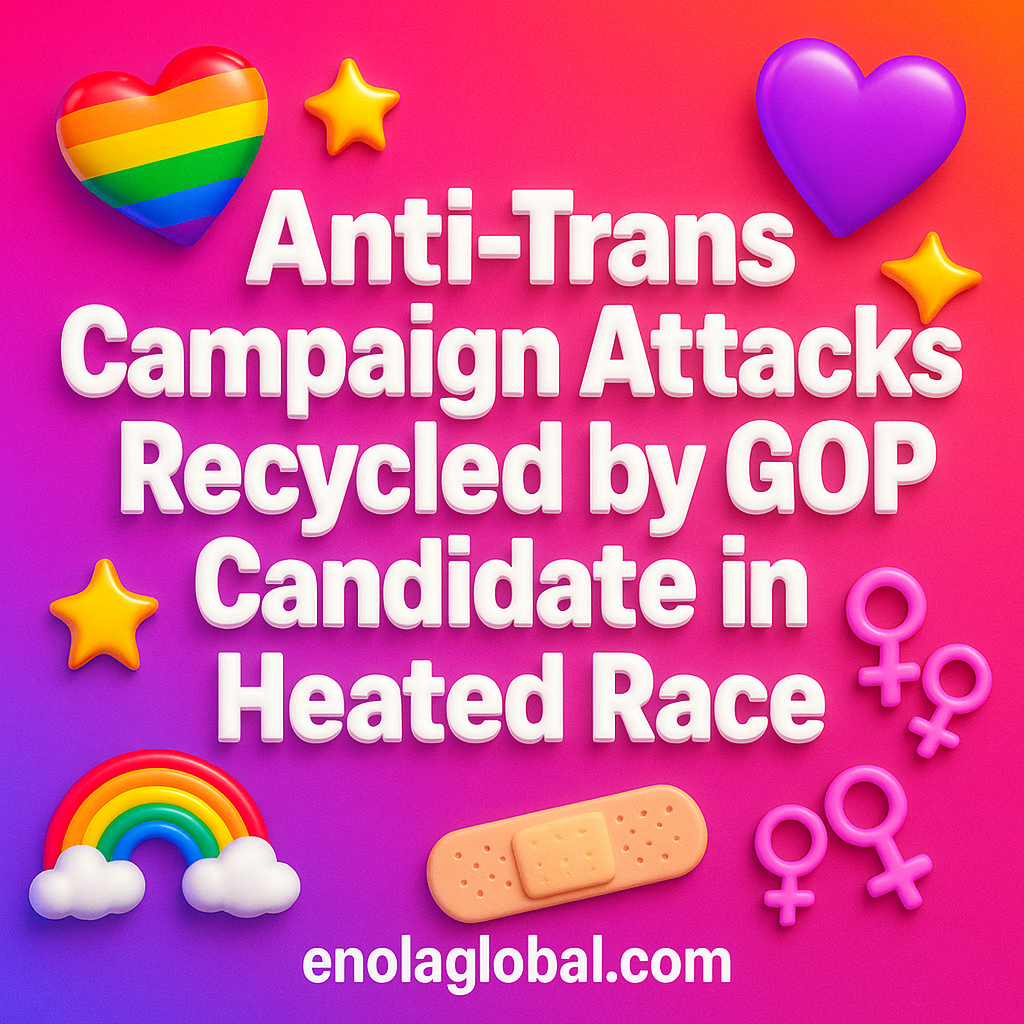
GOP candidate Winsome Earle-Sears has revived a anti trans campaign line in a heated race, betting it still resonates with voters. You’ll get a clear look at how this strategy is repurposed, its potential impact, and the political stakes behind it. This post breaks down the candidate’s approach, the campaign’s history, and what it means for the district’s voters. Notably, Earle-Sears leverages longstanding conservative messaging amid shifting public attitudes, highlighting a key battleground issue as election day approaches.
What Is the GOP Candidate’s Anti Trans Campaign Strategy?
Winsome Earle-Sears has revived a anti trans campaign strategy that leans heavily on fear-based messaging and traditional conservative values. Her approach targets issues like gender identity in schools and public spaces, framing them as threats to children and family norms. The tactic focuses on rallying the GOP base by portraying transgender rights as a divisive cultural issue rather than a matter of civil rights. She employs social media clips, rally speeches, and local ads to broadcast this message, emphasizing law and order while linking opponents to more progressive policies.
This strategy is designed to energize conservative voters who feel marginalized by rapid social changes. Earle-Sears also taps into concerns about parental rights and education content, creating a narrative of protecting “community standards” against perceived radical agendas. It blends traditional social conservatism with a media-savvy deployment that prioritizes clear, emotionally charged messaging over nuanced debate.
How Has This Anti Trans Campaign Message Evolved Over Time?
The anti trans campaign message has shifted from vague cultural warnings to sharply focused political attacks over the past decade. Early versions stressed broad moral objections and religious beliefs. Now, the rhetoric targets specific legislation on transgender youth, healthcare access, and school policies. Candidates like Earle-Sears increasingly frame the issue as a battle for parental control and local governance, which offers more concrete grounds for political mobilization.
This evolution also reflects broader cultural shifts. In response to growing visibility and acceptance of transgender individuals, the messaging has hardened, employing more combative language and linking transgender rights to fears about childhood safety or public decency. As the political climate shifts, GOP campaigns recycle these messages with renewed urgency, adapting to the context to maximize voter impact.
Why Does Winsome Earle-Sears Think This Strategy Still Resonates?
Earle-Sears believes the anti trans campaign line still resonates because it addresses what she sees as the core concerns of her base: tradition, family, and community safety. Despite changes in public opinion, pockets of conservative voters remain deeply suspicious of transgender rights, especially in communities with strong religious or social conservative values. She views this as a dependable wedge issue that can unite voters around a clear “us versus them” narrative.
Her confidence also stems from successful precedents in other GOP races where similar messaging mobilized turnout and framed opponents as extremists. By focusing on fears about youth and education, she can create a high-stakes emotional appeal. This tactic aims to overshadow more complex economic or policy debates, tapping into identity politics on a visceral level.
What Are the Political Stakes Behind Reusing These Campaign Lines?
The political stakes of recycling the anti trans campaign lines are significant. For Earle-Sears, this approach consolidates a loyal voter base but risks alienating moderate and younger voters who increasingly support transgender rights. The strategy prioritizes immediate electoral gains over longer-term coalition building. It also heightens the cultural polarization within the district, potentially deepening divisions and complicating governance post-election.
On a broader level, this tactic signals the Republican Party’s calculated use of social issues to maintain relevance amid demographic and ideological shifts. It places the district in the national culture war spotlight, drawing attention and media scrutiny that could backfire or galvanize opposition. The stakes involve winning a critical seat while navigating the trade-off between energizing partisans and appealing to a changing electorate.
How Could Voters in the District Be Impacted by This Messaging?
Voters in the district could face a charged electoral environment as the anti trans campaign messaging intensifies. Supporters might feel emboldened to push for restrictive policies affecting transgender rights in schools, healthcare, and public accommodations. Conversely, opposition voters may be galvanized into increased turnout and advocacy, sensing an attack on civil rights. This polarized atmosphere could overshadow other pressing local issues like the economy or infrastructure.
Additionally, vulnerable communities, including transgender youth and their families, may experience heightened anxiety and social exclusion. The messaging risks fostering intolerance and misunderstanding, which could influence school climates and community relations. Ultimately, voters must weigh the social consequences of this campaign rhetoric alongside their broader political priorities.
What Conservative Messaging Trends Influence This Anti Trans Campaign?
This anti trans campaign is shaped by broader conservative messaging trends that emphasize cultural nostalgia, parental rights, and skepticism of progressive social change. Nationally, GOP leaders have normalized framing transgender issues as threats to children’s safety and traditional values. This trend dovetails with a broader strategy to mobilize voters by focusing on identity-based grievances rather than economic policies.
These campaigns often utilize tightly scripted talking points, emotive language, and appeals to religious freedom. They also exploit social media amplification to spread simplified narratives. For reference, entities like the Brookings Institution provide analysis on how these messaging tactics gain traction. Earle-Sears’s use of these trends reveals a calculated alignment with national GOP strategies to keep cultural issues front and center.
Can Repurposing Old Attacks Affect Voter Behavior in the Race?
Repurposing the anti trans campaign attacks can definitely influence voter behavior by activating existing fears and biases. For established conservative voters, these familiar lines may reinforce loyalty and increase voter turnout. However, for independents and younger voters more accepting of transgender rights, recycling old attacks may appear tone-deaf or negative, potentially driving them away from the GOP candidate.
The effectiveness depends on the district’s demographic makeup and recent shifts in public opinion. Reusing these attacks also risks energizing opposition campaigns to counter with inclusive messaging, which might reshape turnout patterns. As experts note, recycled cultural attacks have a mixed record, sometimes deepening divisions rather than winning over new voters. Ultimately, this strategy hinges on voter receptiveness to well-worn social issue messaging.
Key Takeaway
The recycling of anti-trans campaign lines by Winsome Earle-Sears highlights the ongoing cultural battles shaping local politics and voter priorities. This strategy energizes conservative voters but risks deepening community divides and overshadowing broader policy debates. As the election nears, the district faces a critical moment to consider how social issue messaging affects not only political outcomes but also the wellbeing of marginalized groups. Stay connected with the latest in queer voices, cultural shifts, and investigative reporting through Enola Global News and be part of the community where you can comment or like after engaging.