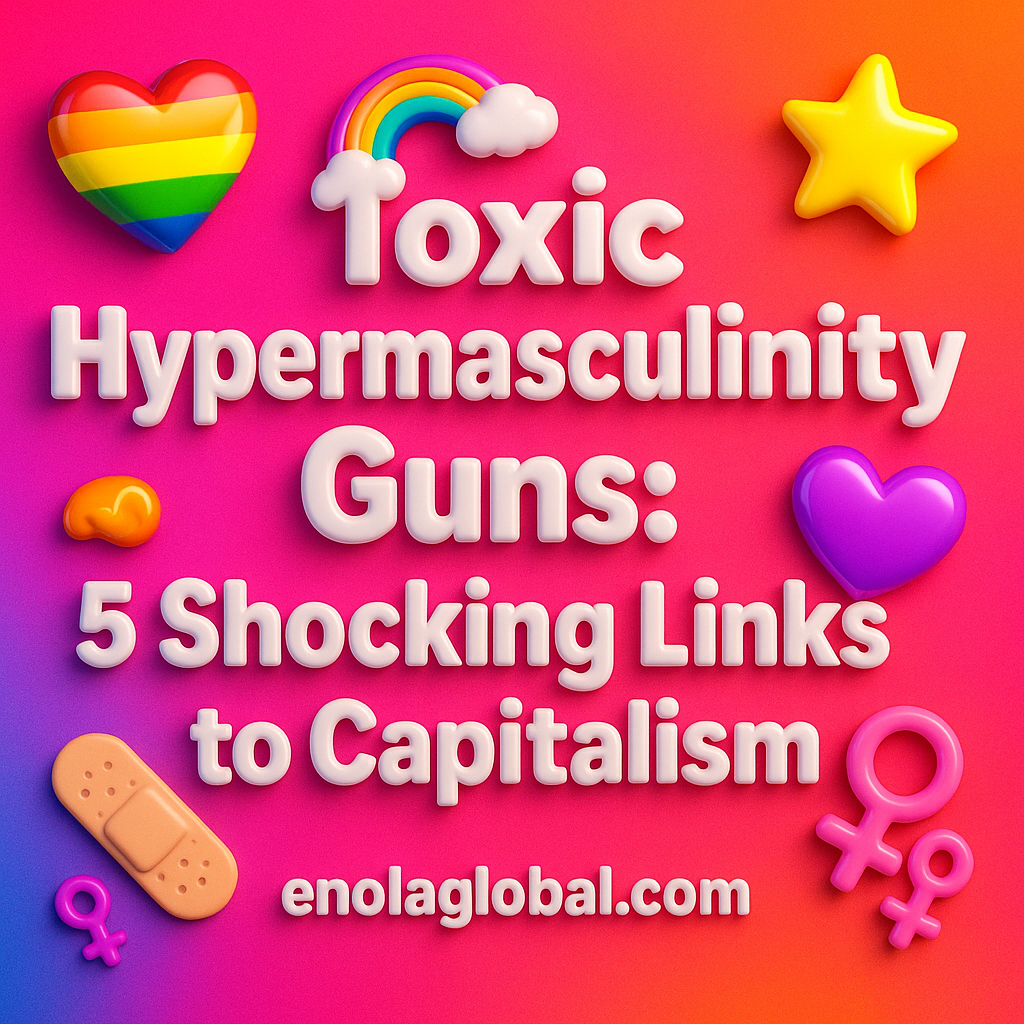
America’s 5 shocking links between toxic hypermasculinity guns reveal a deep need for control amid fear. The toxic hypermasculinity guns phenomenon stems from intense dread of penetration by bullets, the presence of homosexuals, trans people in bathrooms, immigrants, and the female gaze. You’ll uncover how capitalism fuels this violent grip on firearms as a toxic coping mechanism. From gender anxiety to economic insecurities, this exploration highlights how gun culture ties directly to toxic masculine identity. The National Rifle Association’s growing influence since the 1970s illustrates how fear and commerce feed into this dangerous cycle.
What Are the 5 Shocking Links Between Toxic Hypermasculinity Guns?
The five shocking links between toxic hypermasculinity guns revolve around fear of bodily vulnerability, social change, and identity threats. First, there is the fear of physical penetration by bullets, which symbolizes loss of control and power. Second, the presence of LGBTQ+ individuals, especially transgender people in bathrooms, triggers anxiety about gender boundaries and traditional masculinity. Third, immigrants are often cast as invaders who threaten the social order, feeding into the need for aggressive self-defense. Fourth, the female gaze challenges male dominance, provoking discomfort and hostility. Lastly, economic insecurities stir a fragile sense of manhood, leading many to weaponize firearms defensively and symbolically.
Together, these five links show how toxic hypermasculinity guns become a violent response to perceived threats against identity and status, not just physical safety.
How Does Capitalism Fuel the Grip of Toxic Hypermasculinity Guns?
Capitalism amplifies the grip of toxic hypermasculinity guns by turning fear and identity crises into profit centers. Gun manufacturers and sellers thrive by marketing firearms as essential tools of protection and masculinity. This creates a vicious cycle where economic insecurity and social anxieties are exploited to boost sales. The more individuals feel threatened economically or culturally, the more likely they are to purchase weapons to assert control.
Advertising taps into deep-seated insecurities, linking guns to power, freedom, and rugged individualism. The industry benefits enormously from these cultural fears, harnessing toxic hypermasculinity as a lucrative selling point. For more insight into this dynamic, see The Economist.
Why Do Gender Anxiety and Economic Fear Drive Gun Culture?
Gender anxiety and economic fear fuel gun culture by creating feelings of emasculation and vulnerability. Men who feel their traditional roles eroding are more likely to embrace firearms as symbols of strength and stability. Gun ownership becomes a declaration of masculinity in a world perceived as hostile or changing too fast.
Economic instability exacerbates these fears, especially among working-class men facing job losses and declining wages. Guns serve as a tangible compensation for lost power or status, helping to mask deeper insecurities. The combination of gender and economic fears converges into a defensive posture that normalizes aggressive gun culture.
The National Rifle Association’s Role Since the 1970s: Fear Meets Commerce
Since the 1970s, the National Rifle Association (NRA) has expertly blended fear with commerce to entrench toxic hypermasculinity guns deep into American culture. The NRA transformed from a sportsmen’s group to a fierce political lobby exploiting cultural anxieties. It weaponized fears around crime, social change, and identity to grow its membership and influence.
The organization promotes gun ownership as essential to preserving a threatened way of life, linking firearms directly to masculine identity and freedom. By mobilizing fear-based rhetoric, the NRA not only boosts gun sales but shapes policy debates to protect the firearms industry’s interests. This intersection of commerce and cultural fear remains a powerful force today. For detailed history, visit History.com on the NRA.
What Impact Do Toxic Hypermasculine Guns Have on Communities?
Toxic hypermasculine guns devastate communities by fostering violence, fear, and division. They perpetuate cycles of aggression, disproportionately affecting marginalized groups including women, LGBTQ+ people, and racial minorities. Gun violence often escalates from gendered power struggles and social anxieties, weakening community cohesion and safety.
The normalization of firearm possession as a marker of masculinity raises risks of domestic violence, accidental shootings, and hate crimes. It also hinders productive dialogue on public safety, contributing to entrenched polarization. Communities bear the brunt of living under the shadow of toxic hypermasculine guns, with increased trauma and lost potential.
How Can We Address Toxic Masculinity’s Connection to Firearms?
Addressing toxic masculinity’s tie to firearms requires dismantling the cultural narratives that equate masculinity with violence and control. Education that challenges gender stereotypes and promotes emotional resilience can reduce reliance on guns as confidence boosters. Community programs that offer alternative models of strength help weaken the cultural hold of toxic hypermasculinity guns.
Policy measures matter too. Stricter gun regulations paired with mental health resources can reduce the risks tied to hypermasculine gun culture. Encouraging positive male role models who reject violence is critical. Efforts like the MenEngage Alliance illustrate how shifting narratives can support safer communities.
Can Toxic Hypermasculinity Guns Be a Coping Mechanism for Fear?
Indeed, toxic hypermasculinity guns often act as a coping mechanism for fear—a physical manifestation of internal anxieties about vulnerability, identity, and change. For some men, guns symbolize a way to reclaim power amid societal shifts they perceive as threatening. This coping is misplaced but understandable within contexts of isolation, economic distress, and cultural upheaval.
While firearms may offer a temporary sense of security, they ultimately entrench cycles of violence and alienation. True healing requires addressing the root fears behind the grip on guns, offering healthier outlets for emotional expression and identity formation.
Key Takeaway
The link between toxic hypermasculinity and guns exposes how fear and identity crises fuel cycles of violence and division. Understanding capitalism’s role in shaping gun culture reveals the urgent need to challenge these toxic norms through education, policy, and community support. For continued updates on LGBTQ+ culture, accountability journalism, and queer history, follow our coverage at Enola Global News, and join the discussion where you can comment or like after engaging.