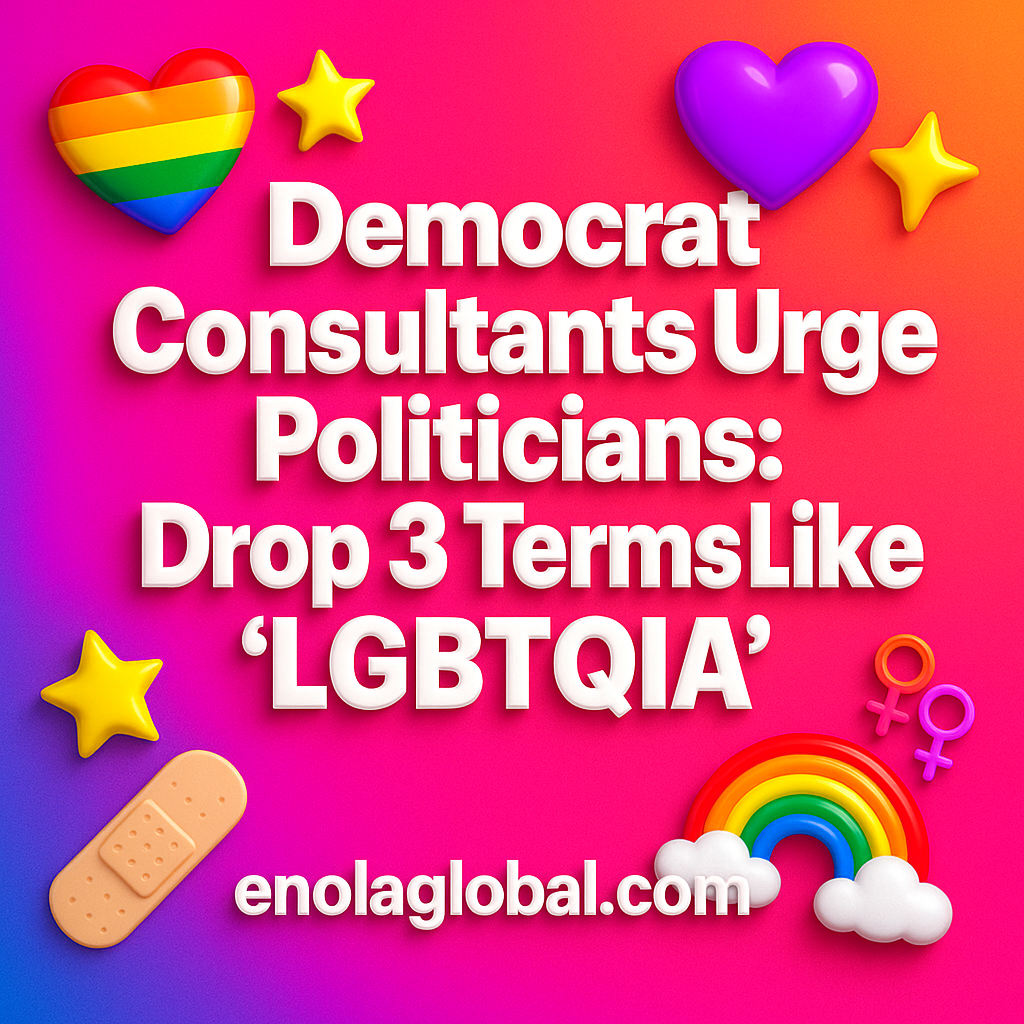
Democrat consultants are now urging politicians to drop three specific terms, including “LGBTQIA,” arguing these words alienate mainstream voters despite representing core communities. This bold recommendation from the centrist think tank Third Way challenges the party’s language on minority rights and progressive issues, claiming it fuels perceptions of elitism and divisiveness. Expect a deep dive into Third Way’s full list of banned words, its striking parallels with Trump’s language restrictions, and the political implications—set against data showing that defending trans rights hasn’t cost Democrats electorally. This post breaks down what these calls for change mean for the party’s messaging strategy in 2024 and beyond.
What Are the 3 Terms Democrat Consultants Urge Politicians to Drop?
Democrat consultants advising party leaders have pinpointed three key terms they believe alienate mainstream voters: “LGBTQIA,” “BIPOC,” and “birthing person.” These words, widely used within progressive circles and communities, are seen by these strategists as emblematic of the party’s drift toward language that sounds exclusionary or overly specialized. The consultants argue these terms obscure straightforward messaging and create perceived divides between elites and everyday Americans.
Third Way’s list includes other related phrases—like “allyship” and “privilege”—but the emphasis on these three terms highlights a broader push to simplify language on identity politics. The consultants say that while respecting communities remains crucial, the words themselves sometimes trigger backlash or voter fatigue. This recommendation reflects a calculated effort to reconnect with a broader electorate who feel these terms are either too niche or politically charged.
Why Does Third Way Warn Democrats Against Using ‘LGBTQIA’ and Similar Words?
Third Way claims that terms like “LGBTQIA” and “BIPOC” contribute to an image of Democrats as out-of-touch and obsessed with “wokeness.” The think tank argues that such language makes the party sound elitist and divisive, appealing to a vocal minority at the expense of the majority. By using jargon-heavy or identity-specific terms, Democrats risk sounding “superior, haughty, and arrogant,” which harms their cultural connection with many swing voters.
The group emphasizes that this is about political pragmatism, not about policing language. They say simplifying the lexicon can help Democrats avoid unnecessary cultural battles and focus on unifying themes. However, critics warn that this approach risks erasing important identities and silencing key communities that have long fought for recognition.
How Does This Language Shift Compare to Trump’s Banned Words List?
Interestingly, the Third Way’s list of terms to avoid mirrors many from Donald Trump’s own banned words catalog, illustrating a rare overlap across the political spectrum on language concerns. Trump’s administration famously banned words related to gender identity, race, and sexual orientation in federal agencies, often dismissing scientific consensus and emphasizing binary definitions of sex. Though stemming from vastly different motivations, both lists criticize terms that reflect modern understandings of identity.
Both camps specifically target gender-neutral parenting terms: Third Way disapproves of “birthing person,” while Trump’s list bans phrases like “breastfeed + people.” This overlap highlights how language around inclusion and identity has become a contested political front and a litmus test for cultural alignment.
What Political Risks and Data Undermine the Calls to Change Messaging?
Despite the calls from Democrat consultants to drop terms like “LGBTQIA,” evidence shows that embracing trans rights and diverse identities has not cost Democrats electorally. Studies indicate that attack ads targeting trans issues—like those spending over $215 million from GOP campaigns—have largely failed to shift voter decisions. Gallup polling also shows only 18 percent of registered voters rate trans rights as “extremely important,” suggesting these issues carry limited electoral risk or reward.
Moreover, some Democrats who distance themselves from these communities face harsh backlash within their party for adopting GOP framing, which many see as both cruel and strategically flawed. As Illinois Gov. J.B. Pritzker noted, blaming progressive stances on election losses ignores deeper problems in Democratic leadership.
How Should Democrat Consultants Adapt Party Language for 2024 and Beyond?
To win in 2024 and beyond, Democrat consultants recommend a balanced approach—prioritizing clear, inclusive language that resonates broadly without sidelining core constituencies. Messaging should focus on shared values like opportunity, fairness, and economic security while avoiding jargon that alienates average voters.
This means choosing words that unite rather than divide, emphasizing policy over identity labels when communicating at scale. Consultants suggest tailoring language regionally and contextually, understanding that communities highly value recognition but that wide electorates seek straightforward, relatable messaging.
For more on crafting effective political language, see Third Way’s analysis.
Can Dropping Certain Terms Help Democrats Reconnect With Mainstream Voters?
Dropping terms like “LGBTQIA” may help Democrats soften perceptions of elitism and avoid cultural flashpoints, but it’s not a silver bullet for reconnecting with broader voters. While language matters, experts argue authentic policies and grassroots engagement carry greater weight. Simplifying language can lower barriers to communication, but it should never come at the expense of core progressive values or alienating loyal constituencies.
Evidence suggests many voters are less concerned with specific jargon than with how politicians address real-world problems like inflation, healthcare, and education. Thus, democrats might gain traction by focusing less on labels and more on how issues impact everyday lives, ensuring language is accessible, clear, and purposeful.
What Are Common Objections to Avoiding Terms Like ‘LGBTQIA’ in Campaigns?
Opponents of dropping terms like “LGBTQIA” argue this soft-pedaling erases marginalized voices and undermines decades of hard-won recognition and rights. Many activists see rejecting such language as pandering that weakens community solidarity and emboldens adversaries who weaponize identity politics against progressives.
Critics also warn this strategy risks feeding GOP narratives that paint Democrats as “too woke” or disconnected but that minorities’ issues aren’t worth defending. Silencing or sidestepping these terms may alienate the very voters who drive turnout and enthusiasm.
Ultimately, the debate reveals deep tensions in party messaging between electoral pragmatism and genuine representation, a fault line Democrats will need to navigate carefully.
Key Takeaway
Balancing inclusive language with broader voter appeal is a complex challenge for Democrats heading into 2024. While dropping terms like “LGBTQIA” may ease cultural tensions, authentic representation and clear communication remain essential. The party’s success will depend on connecting values with accessible messaging without sacrificing core communities. For continued updates on LGBTQ+ culture, accountability journalism, and queer history, follow our coverage at Enola Global News, and join the discussion where you can comment or like after engaging.