The news that Budapest mayor questioned over Pride has ignited worldwide debate over democracy, freedom of assembly, and the state of LGBTQ+ rights in Hungary.
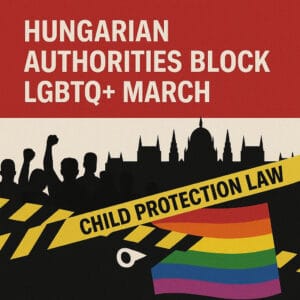
Gergely Karácsony, the city’s outspoken mayor, was interrogated by police for allegedly helping organize the Budapest Pride 2025 march — despite the Hungarian government’s ban on Pride events. The march drew more than 300,000 participants, the largest in Hungary’s history.
THE 2025 PRIDE MARCH: A HISTORIC ACT OF DEFIANCE
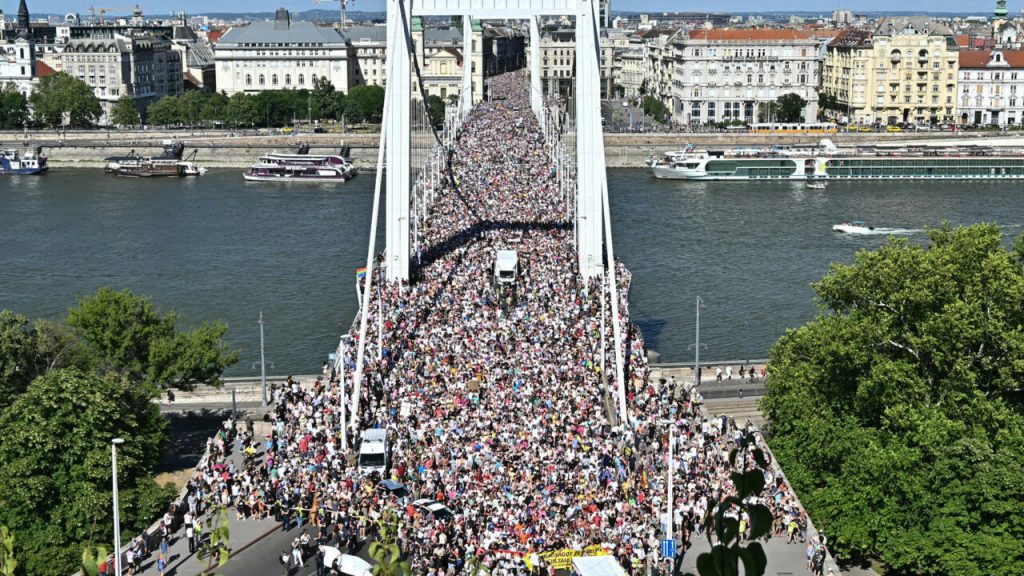
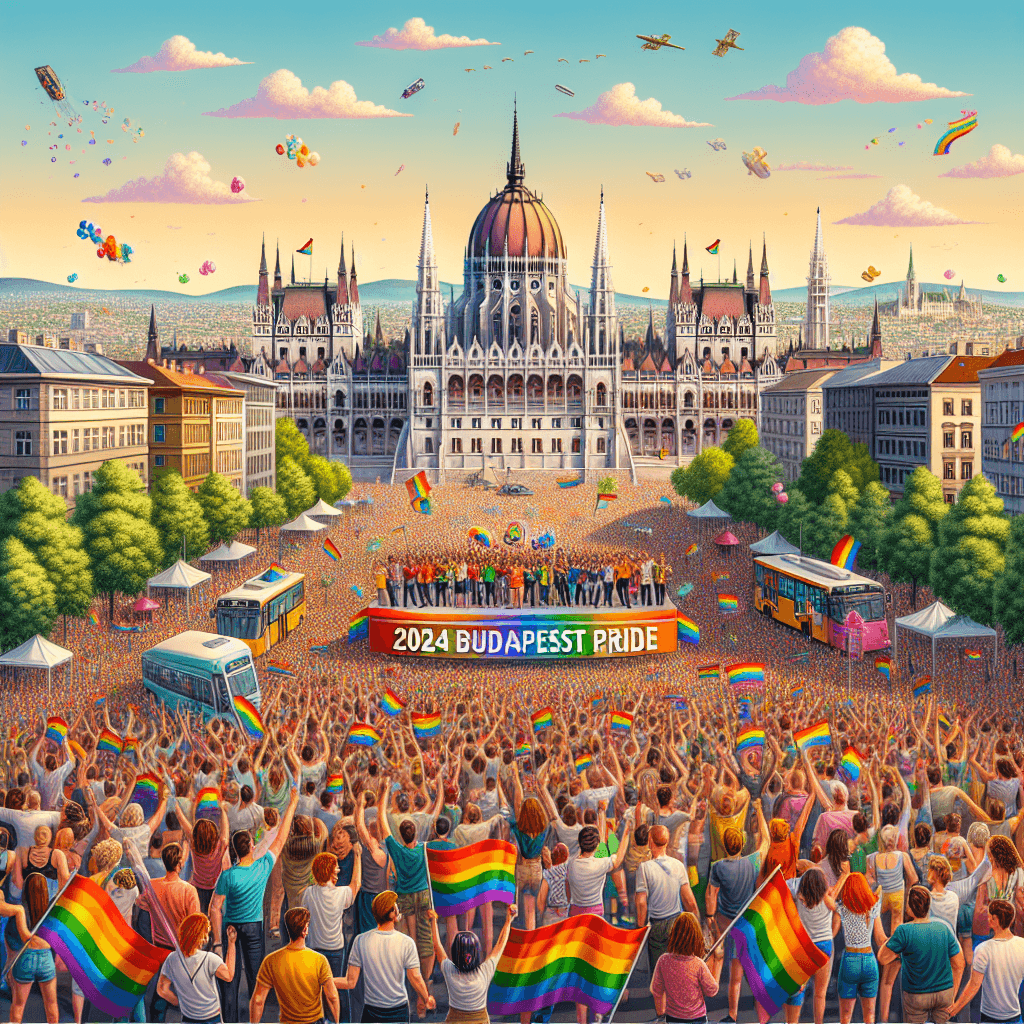
The Pride march on June 28 was a bold statement. Organizers, activists, and citizens walked side-by-side through Budapest, waving rainbow flags in defiance of the ban.
Authorities deployed facial recognition cameras to identify attendees — a tactic condemned by human rights groups as invasive and unconstitutional. Yet the massive turnout showed a clear message: the people of Budapest will not be silenced.
WHY THE BUDAPEST MAYOR IS UNDER INVESTIGATION
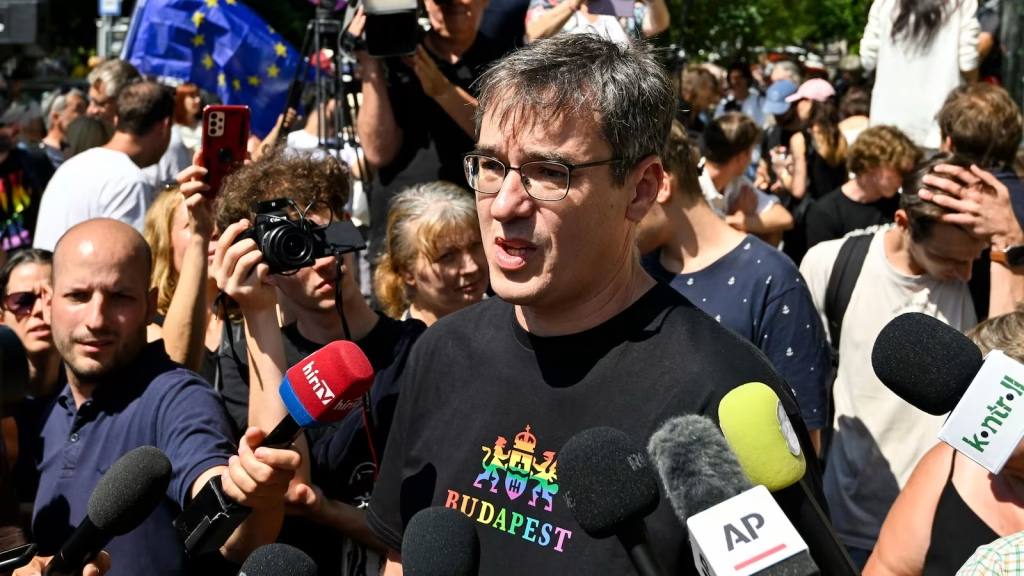
The Budapest mayor questioned over Pride is accused of “unlawful assembly coordination.” Police allege that Karácsony facilitated the march, even though the government had deemed it illegal.
The mayor responded firmly:
“Budapest is a city for everyone. My duty is to protect the freedom of its citizens, not to limit it.”
THE POLITICAL CLIMATE: HUNGARY’S LGBTQ+ CRACKDOWN
Hungary’s government, led by Prime Minister Viktor Orbán, has passed multiple anti-LGBTQ+ laws in recent years, including:
-
Bans on same-sex marriage and adoption.
-
Restrictions on LGBTQ+ content in schools and media.
-
Expanded police authority to shut down gatherings.
The Budapest mayor questioned over Pride case is the latest in a series of measures critics say undermine basic freedoms.
GLOBAL REACTIONS
-
Amnesty International labeled the questioning “a blatant act of intimidation.”
-
The European Parliament called for an investigation into Hungary’s human rights compliance.
-
International Pride organizers have invited Hungarian activists to speak at upcoming events.
IMPACT ON THE LGBTQ+ COMMUNITY
Since the march, LGBTQ+ spaces in Hungary have reported increased police surveillance. Yet activists are responding with legal aid programs, digital safety workshops, and stronger alliances with international organizations.
WHAT’S NEXT FOR MAYOR KARÁCSONY?
The legal process could lead to fines or even his removal from office. Analysts say the case aims to discourage other officials from supporting banned gatherings.
But Karácsony remains steadfast:
“I will continue to stand for a Budapest where love and equality are not crimes.”
WHY THIS CASE MATTERS TO THE WORLD
The Budapest mayor questioned over Pride story resonates far beyond Hungary. It raises urgent questions about:
-
The role of local governments in defending civil rights.
-
The EU’s power to protect democratic values.
-
The global fight against anti-LGBTQ+ legislation.
HOW TO HELP
-
Donate to groups like Háttér Society or Budapest Pride.
-
Share credible news stories to counter misinformation.
-
Advocate for stronger human rights protections within the EU.
Conclusion
The Budapest mayor questioned over Pride case stands as a defining moment for Hungary’s democracy and LGBTQ+ rights. It’s a story of resistance, solidarity, and the ongoing fight for equality — one that the world is watching closely.